
Dobbins Chiropractic
Degenerative disc disease
What it is
Degenerative disc disease is less a disease than a name for changes that can happen in the spine as we age.
Discs have a tough, rubbery exterior and a soft interior. They sit between the vertebrae and act as shock absorbers. As we age, spinal discs can degenerate. That process can lead to herniated discs, bulging discs, spinal stenosis, and osteoarthritis.
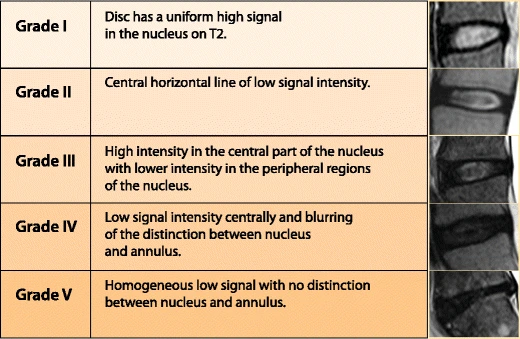
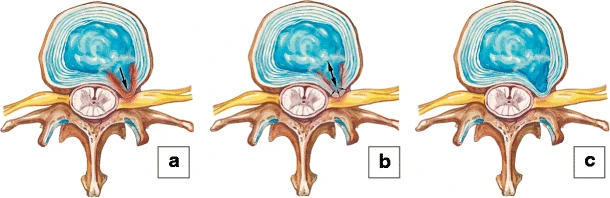
Symptoms
Disc degeneration may cause no symptoms at all. When symptoms show up, they depend on the person and on how far the change has gone.
Pain may sit at the affected disc in the back or neck. Because the pain often comes from compressed nerves, it can also travel into the buttocks, arms, or legs. Numbness and tingling in the arms and legs can come with it. Pain can range from mild to severe.
Causes
Spines can degenerate as a natural part of aging. Tears in the tougher outer layer of the disc become more common, and when discs lose fluid they become smaller and less flexible.
Other factors can matter too, including obesity, smoking, repeated physical work, and injury.
Treatment
Pain from degeneration is often treated with hot or cold packs and anti-inflammatory medication. When degeneration leads to a herniated or bulging disc, spinal stenosis, or osteoarthritis, other care may help, including physical therapy, stretching, and in some cases surgery.
Degenerative change is a natural part of aging, and there are still things you can do to limit pain and stay healthier. If you have frequent back or neck pain, come in for an examination so I can put together a plan.
What published research says about adjustments
A randomized trial of men with degenerative disc disease found that one spinal adjustment reduced pain and improved spinal motion and standing height, a measure of the space the discs are holding, right after treatment. Vieira-Pellenz and colleagues, Archives of Physical Medicine and Rehabilitation, 2014. That study measured an immediate change. It did not follow people for years to see whether the discs stayed healthier.
A paper on maintenance chiropractic care proposed a reason adjustments might slow later joint change: moving a stiff joint through its full range, along with exercise and lifestyle care, may limit the wear that follows a joint that no longer moves well. The author offered that as a hypothesis for further study, not as proof that adjustments stop disc degeneration. Taylor, Journal of Chiropractic Humanities, 2011.
A large study of U.S. health records looked at adults with a new lumbar disc herniation or pinched nerve. People who received chiropractic spinal manipulation were less likely to have disc surgery over the next one to two years than similar patients who received other care. Trager and colleagues, BMJ Open, 2022. That kind of comparison can show an association. It cannot by itself prove that the adjustment kept the disc from getting worse.